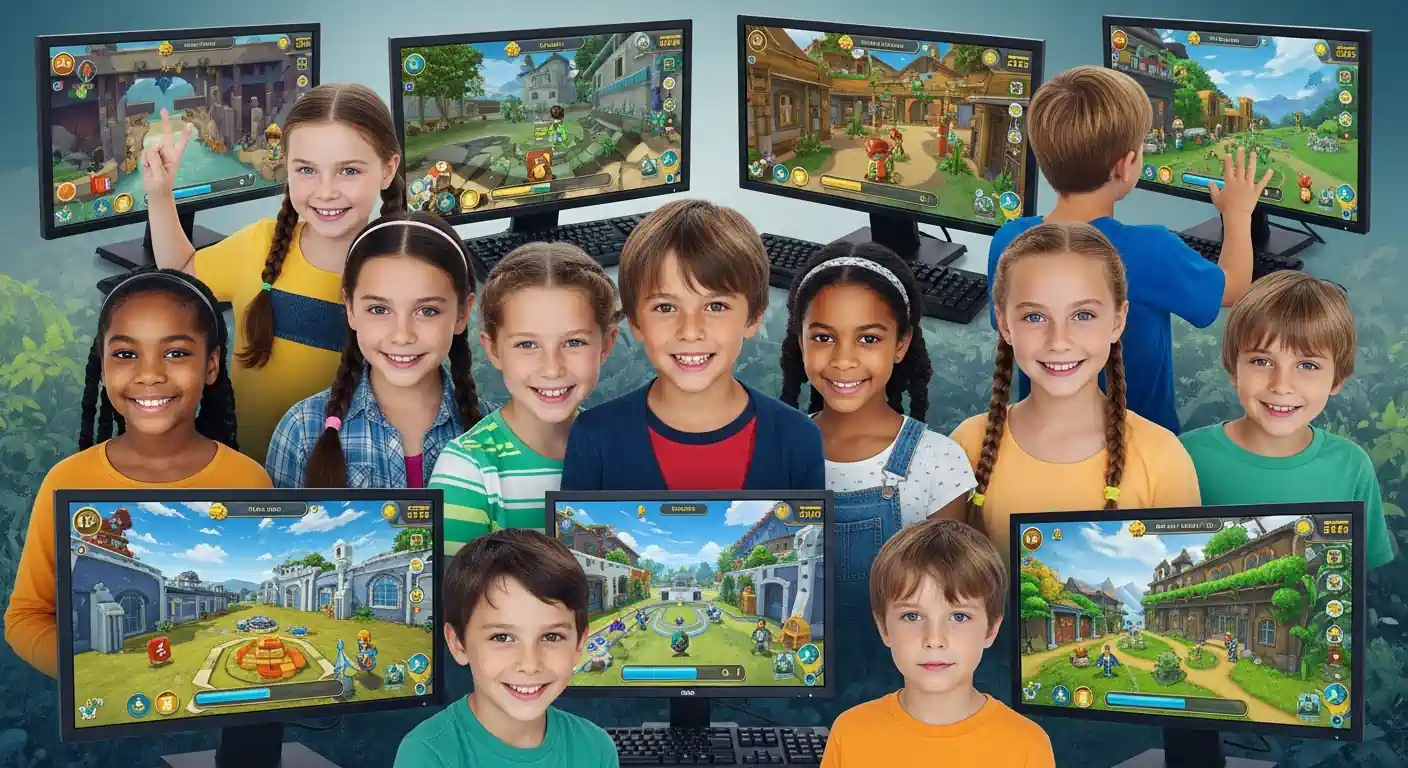
Using Learning Games in the Classroom: A Teacher's Guide
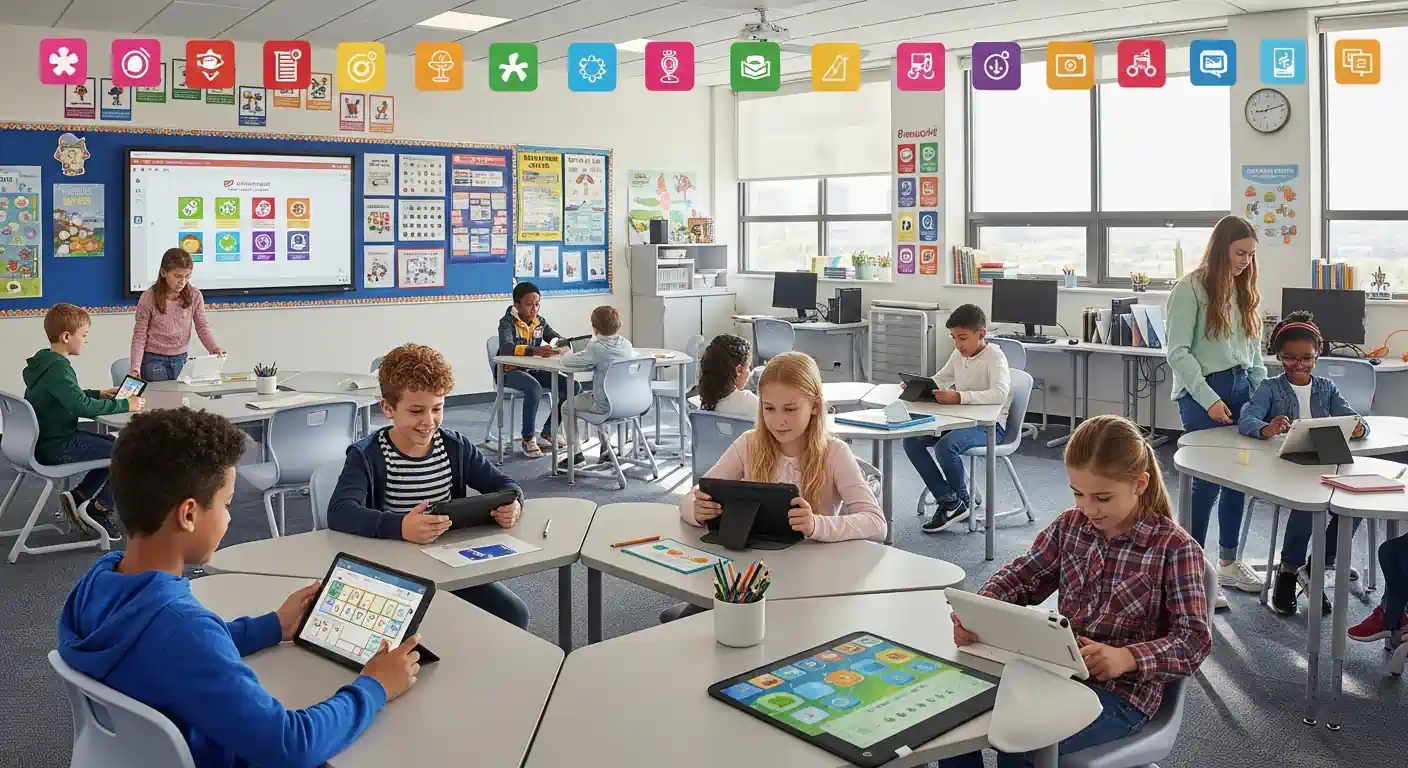
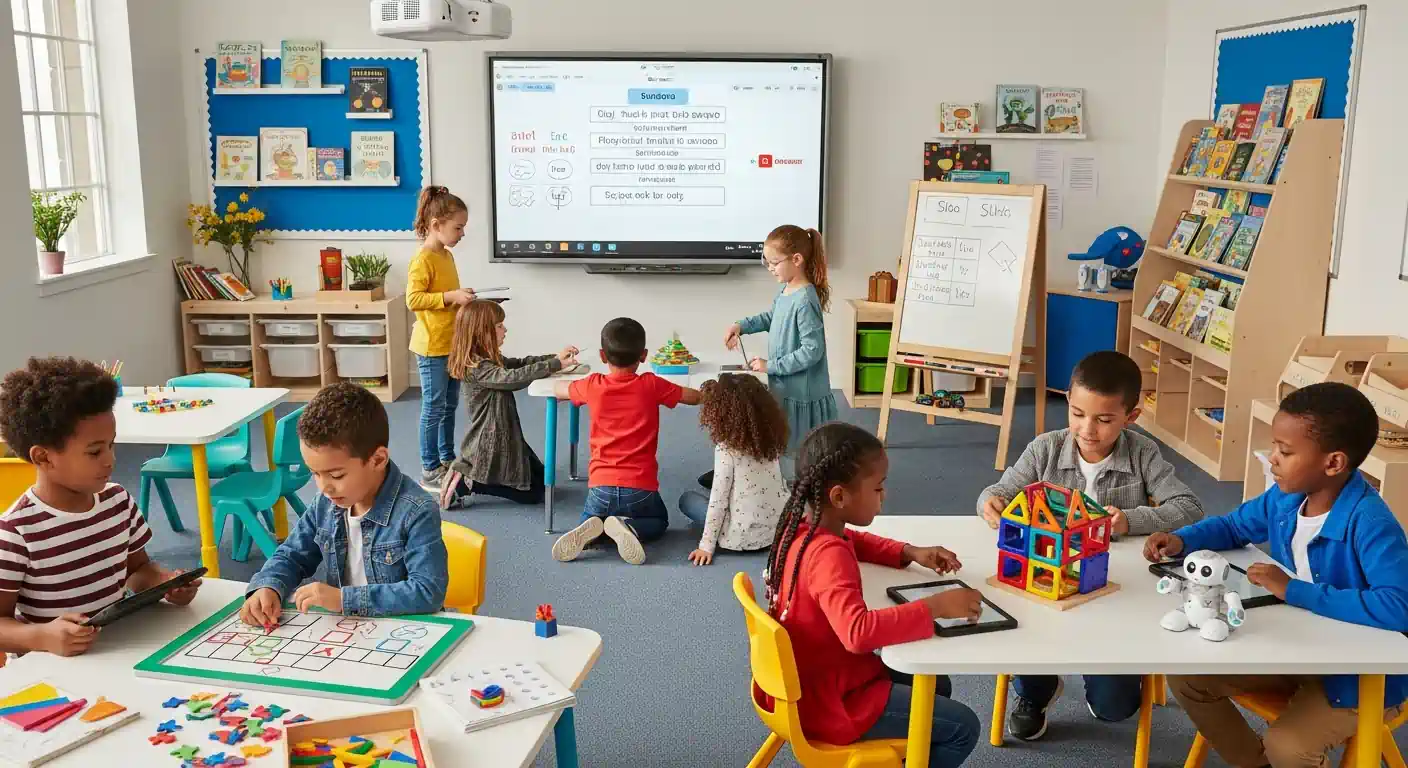
Learning games are transforming the educational landscape. This guide provides teachers with practical strategies for integrating learning games into their classrooms. By understanding the benefits and challenges, educators can leverage these powerful tools to enhance student engagement and improve learning outcomes.
Key Points:
- Boost student engagement and motivation.
- Cater to diverse learning styles.
- Reinforce core concepts and skills.
- Provide immediate feedback and assessment.
- Foster collaboration and problem-solving.
Learning Games in the Classroom: Enhancing Engagement
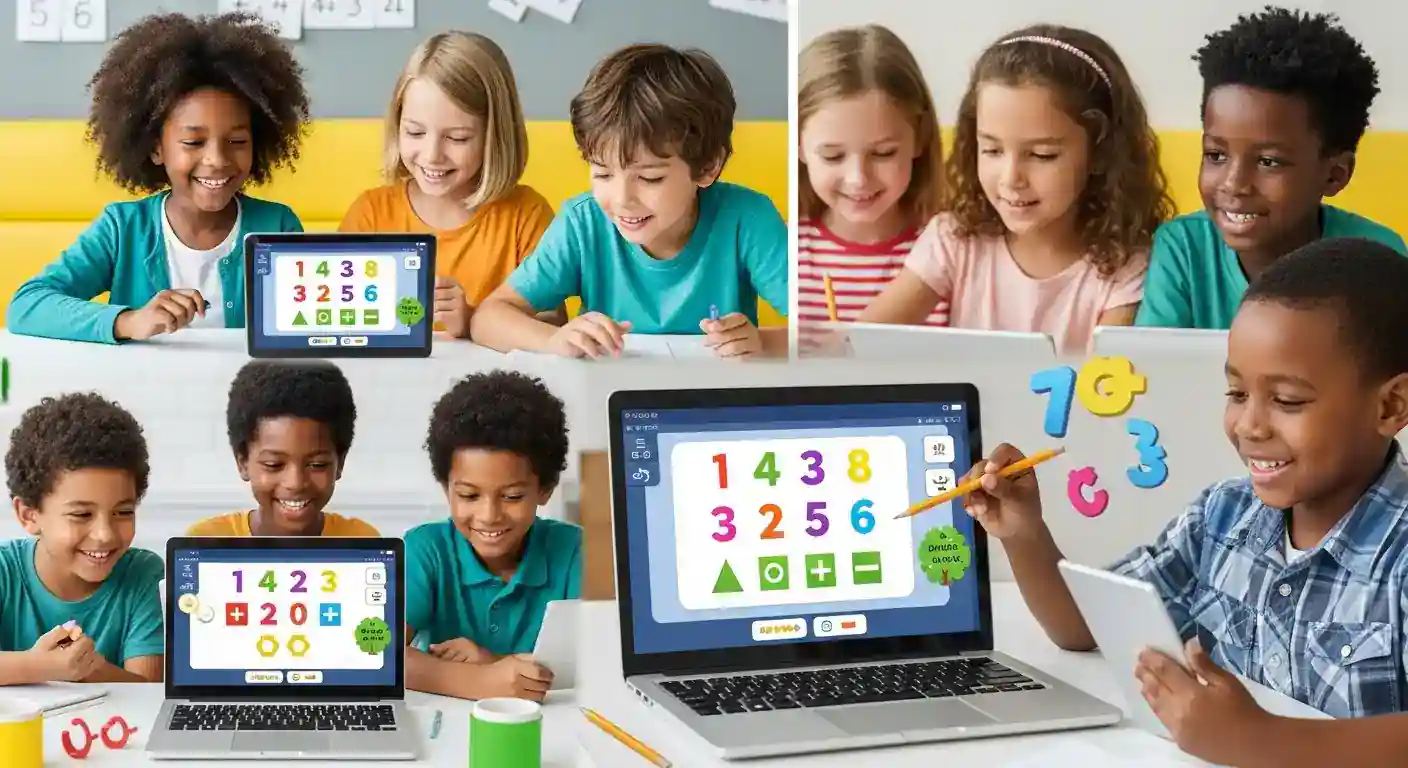
Learning games offer a dynamic approach to education, moving beyond traditional rote learning. They capitalize on students' natural inclination towards play, fostering a more active and engaging learning environment. By incorporating game mechanics such as points, badges, and leaderboards, educators can tap into students' intrinsic motivation, encouraging them to actively participate and strive for mastery. This can be particularly effective for subjects that students traditionally find challenging.
Choosing the Right Learning Games: A Teacher's Perspective
Selecting appropriate learning games is crucial for maximizing their educational impact. Teachers should consider factors such as curriculum alignment, learning objectives, and student age and abilities. Games should reinforce key concepts and skills while providing a challenging yet achievable learning experience. Furthermore, accessibility and ease of implementation are essential considerations for busy educators.
Implementing Learning Games Effectively
Successful integration of learning games requires careful planning and execution. Teachers should clearly communicate learning goals and expectations to students. Providing adequate time for gameplay and incorporating opportunities for reflection and discussion are crucial for maximizing learning outcomes. A 2024 study by the Educational Game Research Association (published in Journal of Educational Games Research, 2024) found that structured debriefing sessions significantly enhanced the educational value of learning games.
Addressing Challenges and Concerns
While learning games offer numerous benefits, teachers must also address potential challenges. These can include limited access to technology, concerns about screen time, and ensuring equitable access for all students. Careful planning and open communication with parents and administrators can help mitigate these concerns. A recent report by the National Education Technology Association (NETA, 2025) provides guidelines for responsible technology integration in the classroom.
Benefits of Classroom Learning Games: Real-World Examples
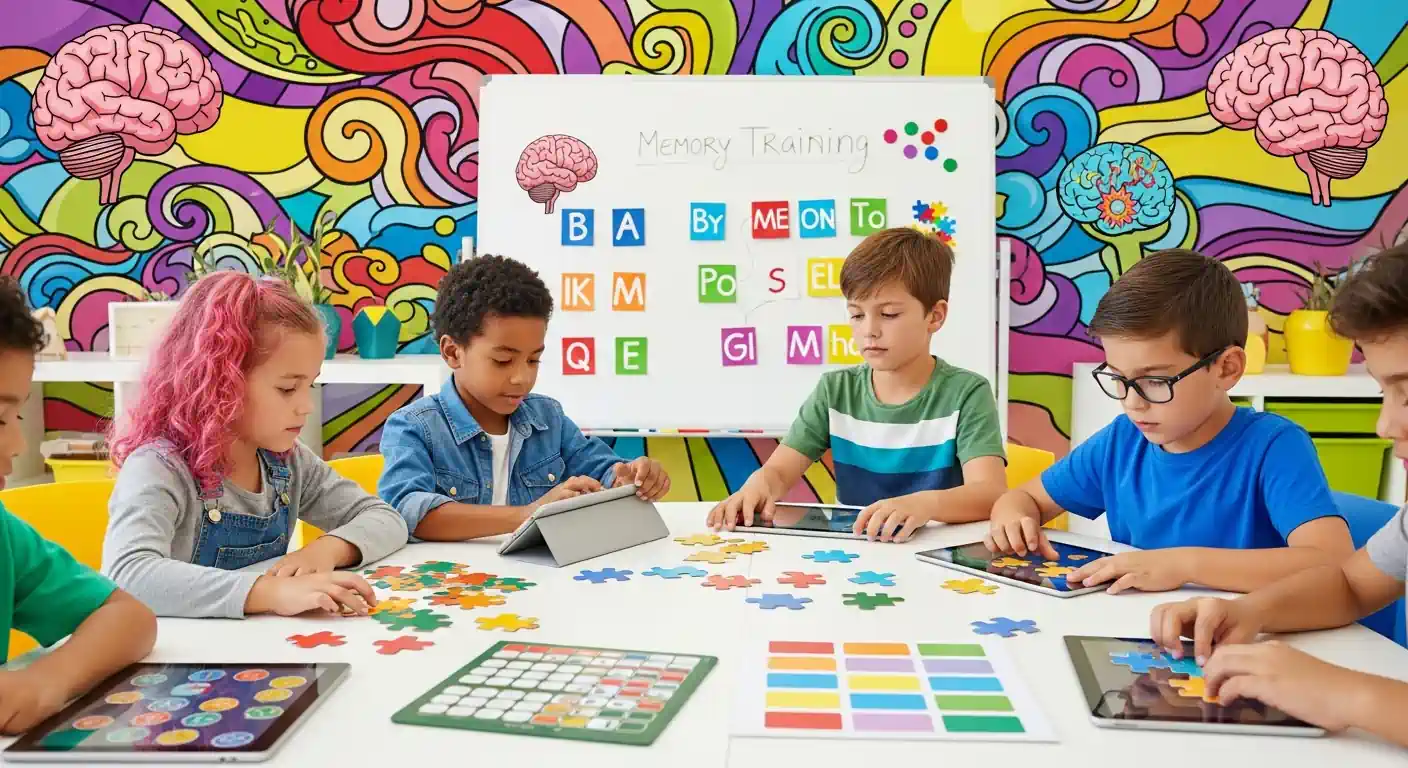
The benefits of using learning games extend beyond increased engagement. They can cater to diverse learning styles, providing visual, auditory, and kinesthetic learners with multiple avenues for understanding. Games can also promote critical thinking, problem-solving, and collaboration. For example, a history teacher might use a simulation game to help students understand the complexities of historical events, encouraging them to analyze different perspectives and make strategic decisions.
The Future of Learning Games in Education
Learning games are constantly evolving, with new technologies and pedagogical approaches emerging. Augmented reality (AR) and virtual reality (VR) are increasingly being integrated into learning games, offering immersive and interactive learning experiences. Personalized learning platforms are also gaining traction, tailoring game content and difficulty to individual student needs. These trends suggest a bright future for learning games in education.
Differentiated Content:
This guide emphasizes the importance of structured debriefing sessions after gameplay, a key element often overlooked in other resources. This practice helps students connect game mechanics to learning objectives and consolidate their understanding.
The guide also addresses the emerging trend of personalized learning platforms within gaming, highlighting the potential of these technologies to cater to individual student needs and optimize learning outcomes.
Internal Linking Suggestions:
- Anchor Text: "responsible technology integration" - Link Target: /categories/educational-technology (Category)
- Anchor Text: "personalized learning platforms" - Link Target: /articles/personalized-learning-platforms-in-education (Related Article)
- Anchor Text: "maximize learning outcomes" - Link Target: /articles/effective-teaching-strategies-for-the-digital-age (Related Article)
FAQ Section:
Q: How can I convince my administration to support the use of learning games?
A: Highlight the research-backed benefits of learning games, such as increased engagement and improved learning outcomes. Share data from reputable sources like the Educational Game Research Association and NETA. Showcase successful implementation examples from other schools. Focus on how learning games align with school-wide learning goals.
Q: Are learning games suitable for all age groups?
A: Yes, learning games can be adapted for students of all ages. The key is to choose games that are developmentally appropriate and aligned with curriculum objectives. Simpler games with clear instructions are best for younger learners, while older students can benefit from more complex simulations and strategy games.
Q: How can I assess student learning through games?
A: Assessment methods can include in-game performance data, observation of student interactions, and post-game discussions. Some games offer built-in assessment features. You can also use traditional methods like quizzes and essays to assess student understanding of concepts covered in the game.
Q: What are some free resources for finding quality learning games?
A: Many educational organizations and websites offer free learning games for various subjects and age groups. Explore resources like PBS Kids, Khan Academy Kids, and educational game repositories curated by universities and non-profit organizations.
Conclusion:
Integrating learning games into the classroom can be a rewarding experience for both teachers and students. By carefully selecting and implementing appropriate games, educators can create dynamic and engaging learning environments that foster deeper understanding and a love of learning. We encourage you to share your experiences and insights in the comments below. Subscribe to our newsletter for more resources and updates on using learning games in education. For further reading, explore the resources available from the Serious Games Society.